Home / Curriculum / Upper Primary
Upper Primary — Grade 4 to 6.
The stage where learning gets more rigorous — more subjects, more independence, more ownership of the work — while still being taught by teachers who know each child by name.
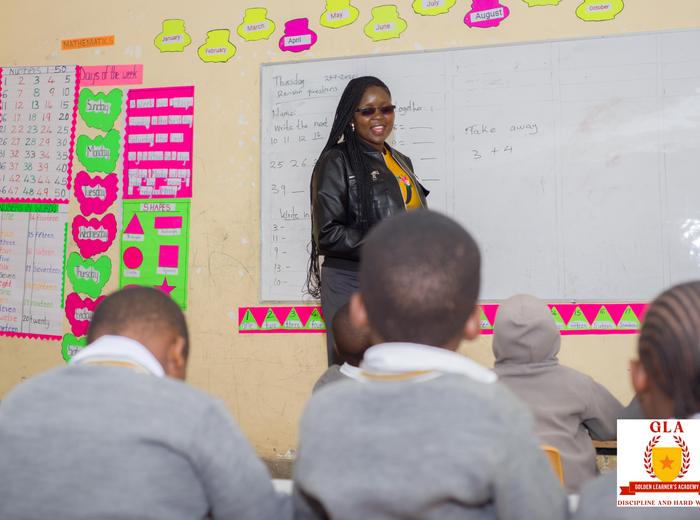
The stage where learning gets more rigorous — more subjects, more independence, more ownership of the work — while still being taught by teachers who know each child by name.
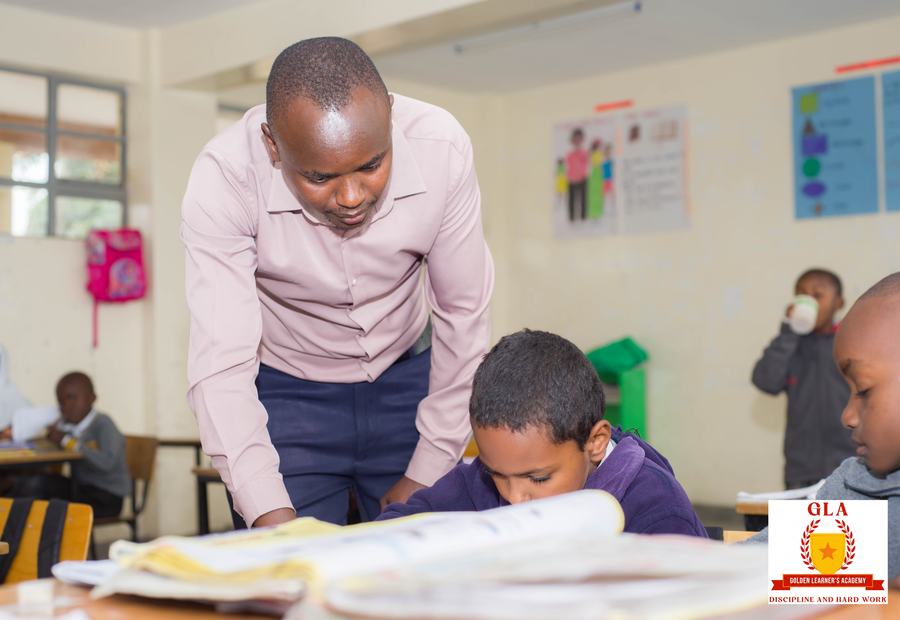
Learners now carry a full CBC subject load — languages, mathematics, science and technology, social studies, and more — with each subject taught by a teacher who specialises in it. Homework, projects, and assessments step up, preparing learners for the transition into Middle School.
We keep a close eye on the basics here too: a learner who's shaky on foundational literacy or numeracy from earlier grades gets support before it becomes a bigger gap.
English and Kiswahili, with growing emphasis on composition and comprehension.
Building toward the abstract reasoning Middle School math demands.
Hands-on experiments and an introduction to computing and digital tools.
Kenyan history, geography, and citizenship, taught with local relevance.
Practical, hands-on learning — including time in the school's own garden.
Art, music, and physical education stay timetabled, not optional extras.
Learners start managing their own homework diary, longer-term projects, and more self-directed reading. It's a deliberate step up — one that's scaffolded, not sudden — so that by Grade 6 they're ready for the specialisation that Middle School brings.
Grade 6 learners transition as a class, with subject teachers on both sides briefed on where each child stands.